
Phishing & Spear Phishing Attacks: How UK Businesses Can Stay Protected

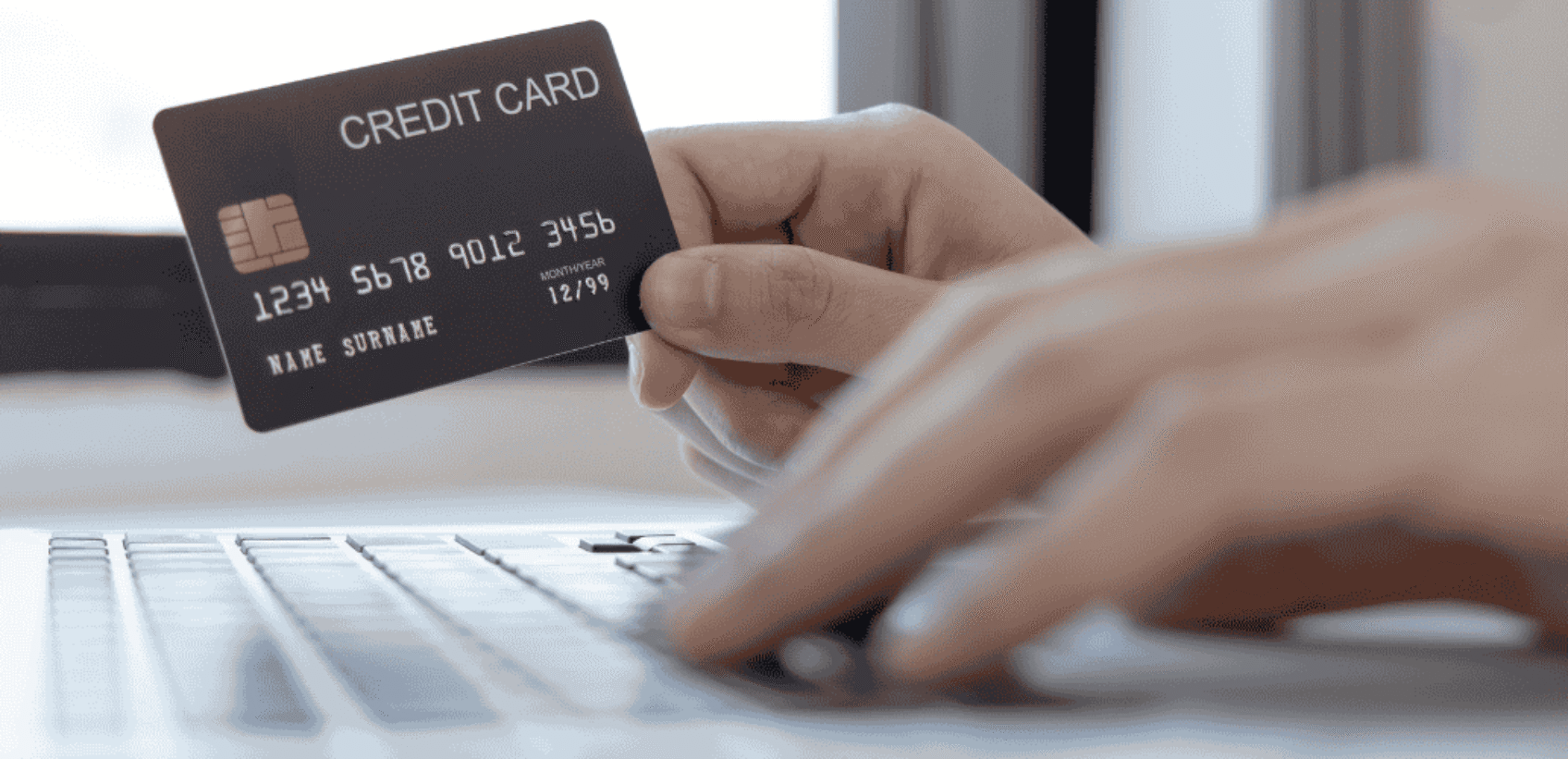
Phishing & Spear Phishing: A Growing Risk for UK Businesses
Email remains one of the most important tools for businesses across the UK. However, it is also one of the most commonly exploited entry points for cybercriminals. Phishing and spear phishing attacks continue to rise, affecting organisations of all sizes, including those across the North West. Unlike highly technical cyber threats, phishing relies on something much simpler: trust. Attackers use convincing emails and familiar scenarios to trick employees into clicking links, sharing credentials, or authorising payments. In this guide, we explain how phishing and spear phishing attacks work, why UK businesses are being targeted, and the practical steps you can take to reduce your risk and stay protected.
What Is Phishing?
Phishing is a type of cyber attack where criminals send emails that appear legitimate in order to trick recipients into taking action. This might include clicking a malicious link, opening an infected attachment, or entering sensitive information such as passwords or payment details.
These emails are often designed to look like they come from trusted sources, such as banks, suppliers, or internal departments like IT or Finance. Because they feel familiar, they can be difficult to spot at first glance.
Common examples include password reset requests, delivery notifications, invoices, or urgent account warnings. These email fraud attacks rely on urgency and trust to encourage quick action without careful checking.
What Is Spear Phishing (and Why It’s More Dangerous)?
Spear phishing is a more targeted version of phishing. Instead of sending generic emails to large groups, attackers research a specific business or individual and create highly personalised messages.
For example, an employee may receive an email that appears to come from a company director requesting an urgent payment. In other cases, attackers may impersonate a supplier and provide updated bank details for an upcoming invoice.
Because these targeted phishing emails often include real names, projects, or recent activity, they are much harder to detect. As a result, spear phishing attacks are more likely to succeed and can lead to significant financial and operational damage.
Why UK Businesses Are Being Targeted
UK organisations are particularly vulnerable to phishing due to their heavy reliance on email for day-to-day operations. From supplier communication to internal approvals, email plays a central role in how businesses function.
At the same time, hybrid and remote working have increased exposure. Employees now access systems from multiple locations and devices, making it more difficult to maintain consistent security.
For businesses in the North West and across the UK, speed is also a factor. When teams are under pressure to respond quickly, attackers can exploit that urgency to bypass normal checks and increase the chances of success.
The Real Impact of Phishing Attacks
A successful phishing attack can have serious consequences. Stolen login credentials can lead to account compromise, while fraudulent emails may result in unauthorised payments or financial loss.
In more advanced cases, phishing is used as the entry point for ransomware or wider network attacks. This can lead to data breaches, operational disruption, and regulatory implications, particularly where sensitive information is involved.
Because these attacks often go unnoticed at first, businesses may only realise something is wrong after damage has already been done. This is why phishing email protection should be a key priority.
How to Protect Your Business from Phishing
Use Advanced Email Security Filtering
Modern email security solutions go far beyond basic spam filters. They analyse links and attachments in real time, detect impersonation attempts, and block suspicious messages before they reach users. This reduces exposure and ensures employees only see safer, verified emails.
Enable Multi-Factor Authentication (MFA)
MFA adds an extra layer of security when logging in. Even if a password is compromised, attackers cannot access accounts without the second verification step. This is one of the most effective ways to prevent phishing attacks, particularly for email and cloud platforms such as Microsoft 365.
Train Staff to Recognise Threats
Employees are your first line of defence. Regular awareness training helps them identify suspicious emails, unexpected requests, and subtle warning signs such as incorrect email addresses or unusual wording. Short, frequent reminders are often more effective than one-off training sessions, helping staff stay alert to evolving threats.
Implement Clear Internal Processes
Clear processes remove the pressure to act quickly without verification. For example, payment requests or bank detail changes should always be confirmed using a trusted method, such as a known phone number. Having defined escalation paths also ensures staff know what to do if something doesn’t feel right.
Keep Systems Updated and Backed Up
While phishing is often the starting point, outdated systems can increase the overall impact. Keeping devices updated and maintaining secure backups ensures your business can recover quickly if an incident occurs.
Monitor Accounts and Respond Quickly
Early detection can significantly reduce the impact of a phishing attack. Businesses should regularly monitor email accounts, login activity, and system alerts for anything unusual, such as unexpected login locations or multiple failed access attempts.
Why Prevention Matters More Than Ever
Recovering from a phishing incident can be costly, time-consuming, and disruptive. By comparison, preventative measures such as email security, MFA, and staff awareness are far more cost-effective.
Investing in how to stop phishing scams not only reduces risk but also protects your reputation and builds trust with customers and partners.
For UK businesses, phishing prevention is no longer optional; it is a fundamental part of modern cybersecurity.
Helpful Resources on Cyber Awareness
For further guidance, the UK’s Cyber Aware campaign offers simple steps to stay secure: Cyber security guidance for business – GOV.UK
You can also explore advice from the National Cyber Security Centre (NCSC) on identifying and preventing phishing attacks: https://www.ncsc.gov.uk/guidance/phishing


Looking for IT Support for Your Business?
If your organisation wants to improve remote working, migrate to the cloud, or strengthen cyber security, Tech IP is here to help. We deliver expert managed IT services, cloud solutions, and cyber security support to businesses across the UK.
Contact Tech IP today to discuss your business IT requirements.
FAQs About Phishing & Spear Phishing
A phishing attack is a form of cybercrime in which attackers send fraudulent emails to trick recipients into revealing sensitive information or performing harmful actions. These emails often appear to come from trusted sources, such as banks or colleagues, making them difficult to identify.
Once a user interacts with the email, attackers may gain access to login credentials, financial details, or internal systems. This makes phishing one of the most common and effective cyber threats facing businesses today.
Phishing typically involves sending generic emails to a large number of recipients, hoping that some will respond. Spear phishing, on the other hand, is highly targeted and tailored to a specific individual or organisation.
Because spear phishing emails often include personal or business-specific details, they appear more convincing and are more likely to succeed. This makes them particularly dangerous for businesses.
Phishing attacks are increasing because email remains a primary communication tool for businesses. At the same time, attackers have become more sophisticated in how they design emails and mimic trusted sources.
The rise of remote working has also contributed, as employees access systems from different locations and devices, creating more opportunities for attackers to exploit.
Yes, phishing is often the starting point for more serious attacks, including ransomware. By gaining access to systems through stolen credentials or malware, attackers can move deeper into a network and launch further attacks.
This is why preventing phishing is critical, as it helps stop threats before they escalate into more damaging incidents.
Employees should avoid clicking links or downloading attachments from suspicious emails. Instead, they should report the email to their IT team or follow internal procedures for verification.
If the email appears to come from a known contact, it is best to confirm the request using a trusted method, such as calling the person directly using a known number.
Yes, small and medium-sized businesses are often targeted because attackers believe they may have fewer security controls in place. However, these businesses still handle valuable data and financial transactions.
As a result, they can be just as vulnerable as larger organisations and should take proactive steps to improve their security.
Reducing phishing risk requires a combination of technology, processes, and staff awareness. This includes implementing email security, enabling MFA, and providing regular training.
By maintaining a proactive approach and regularly reviewing security, businesses can stay ahead of evolving threats and reduce their exposure.
Staff awareness is critical because phishing attacks rely on human behaviour rather than technical weaknesses. Even the most advanced security systems can be bypassed if a user is tricked into taking action.
When employees understand how phishing works and feel confident identifying suspicious emails, they become a strong line of defence against cyber threats.

About Tech-IP
At Tech-IP, we help UK organisations enhance security, simplify device management and work more efficiently through modern IT and communication solutions. As mobile devices become central to daily operations, we ensure businesses stay protected, compliant and fully in control of every handset.
From secure mobile device management software and cloud communication tools to broadband, unified communications and managed IT support, we design solutions that make technology safer, smarter and easier to manage.
If your organisation wants to improve mobile security, strengthen compliance or take control of your device fleet, speak to us about a tailored MDM strategy that keeps your workforce connected and your data protected.
Get in touch
Our team is available Monday to Friday.Let’s Talk….
Call, email or use the form below and we’ll come back to you the same business day.
Service Desk
Tel: 0345 389 2310 Option 1
Email: service.desk@tech-ip.co.uk (opens email application)
Accounts
Tel: 0345 389 2310 Option 3
Email: billing@tech-ip.co.uk (opens email application)
Sales
Tel: 0345 389 2310 Option 2
Email: sales@tech-ip.co.uk (opens email application)
Anything Else
Tel: 0345 389 2310 Option 4
Email: enquiries@tech-ip.co.uk (opens email application)